




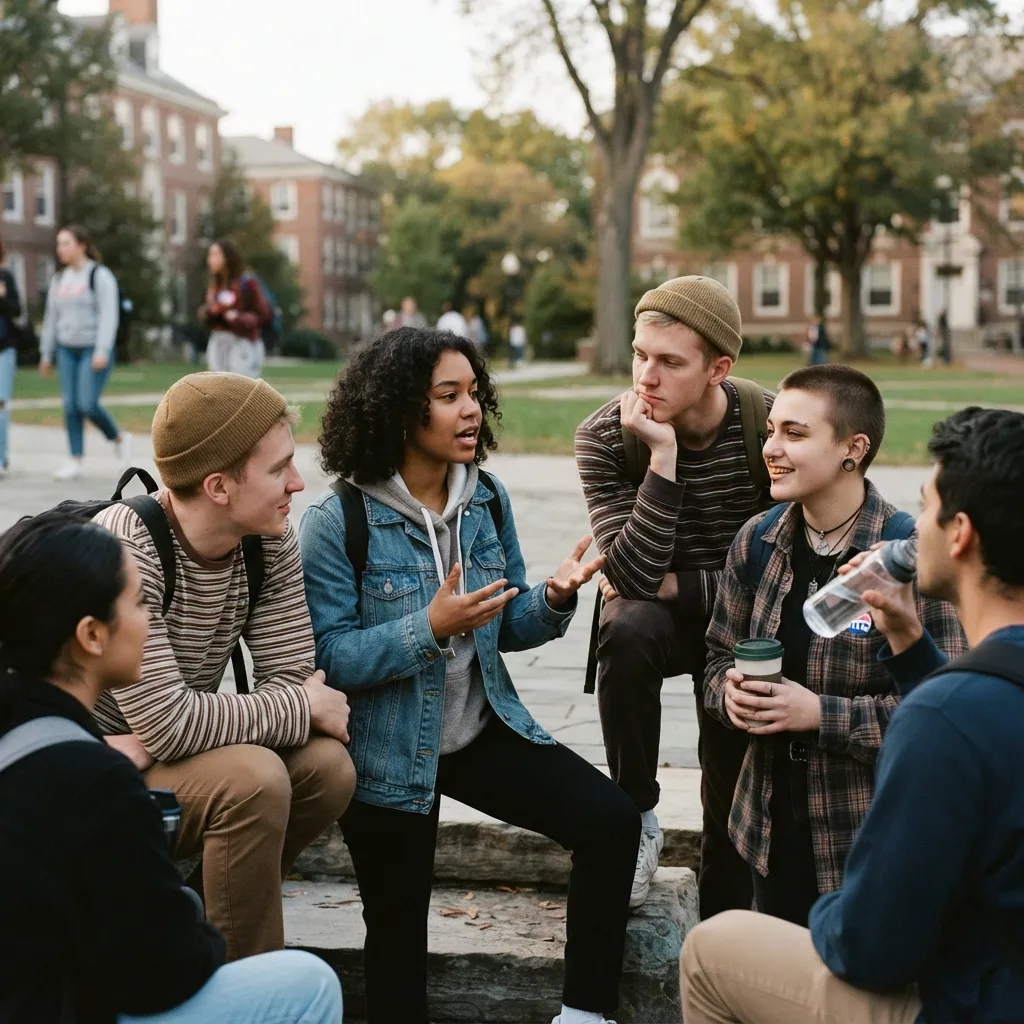

The political landscape is shifting in ways that have left many analysts scrambling to catch up, particularly when it comes to the youngest members of the electorate. While traditional polling often paints a broad brush across Generation Z, recent election results suggest that the reality is far more nuanced than previously thought. The unexpected strength of Democratic performance in recent cycles has highlighted a critical need to move past outdated assumptions about how young people engage with power and policy.
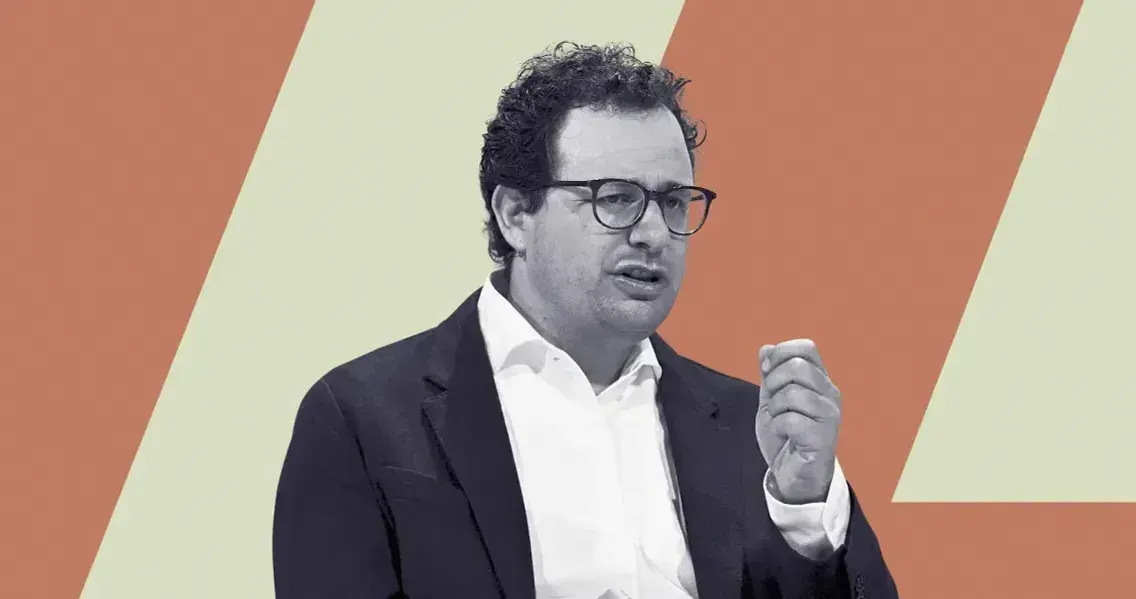
Rachel Janfaza, founder of the research firm The Up and Up, suggests that there are deep seated misconceptions about what actually drives Gen Z toward the ballot box. Rather than viewing these voters as a monolith defined solely by digital trends or superficial activism, Janfaza argues that there are specific, unifying issues bridging the gap between young men and women. These shared priorities are creating new coalitions that defy old gender binaries and party stereotypes, forcing strategists to reconsider their outreach methods.
As generational clashes become more apparent in national discourse, it is becoming clear that young voters aren’t just following scripts written by older politicians. They are navigating an era of rapid technological change and economic instability with a distinct set of values that may not always align with legacy platforms. By digging deeper into the actual motivations behind their votes, researchers hope to uncover a clearer picture of what this generation expects from its leaders moving forward.