





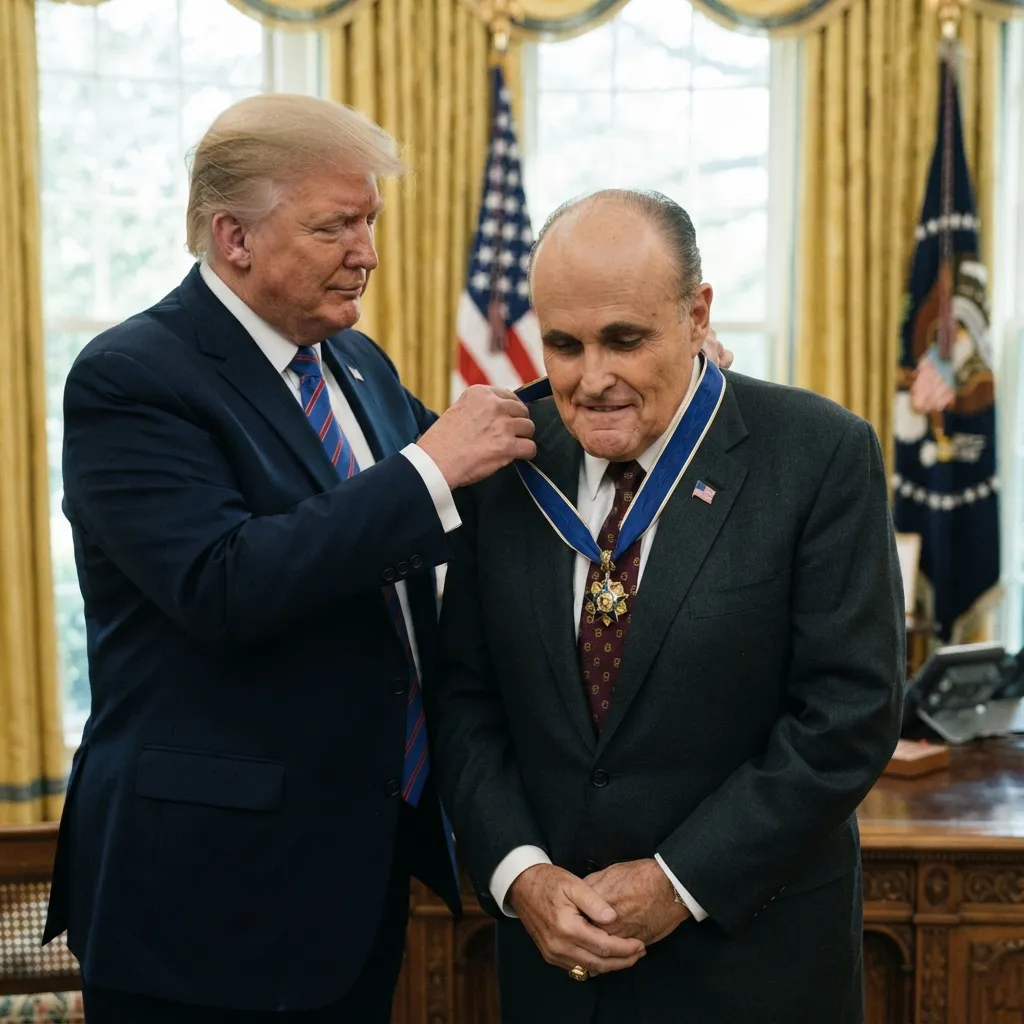
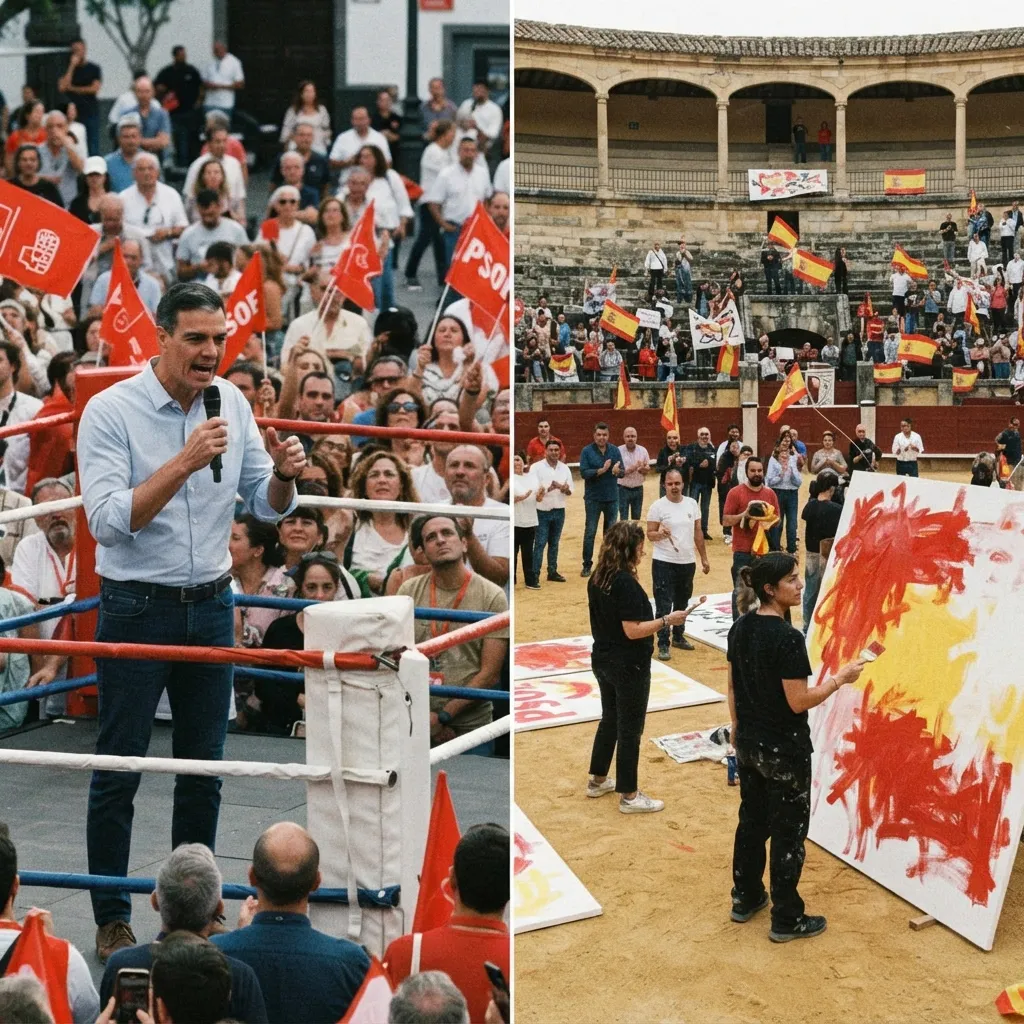

The air in Spain is thick with tension as the country hurtles toward a general election defined less by policy debates and more by deep ideological warfare. In a series of contrasting rallies, the divide has become physical and symbolic. While Prime Minister Pedro Sanchez addressed supporters from a wrestling ring in Tenerife, warnings against the global rise of right-wing populism by citing figures like Donald Trump and Jair Bolsonaro, his rivals were gathering in traditional bullrings to paint him as an existential threat to the nation.
For many on the right, Sanchez is no longer just a political opponent but a symbol of institutional decay. Leaders from the conservative People’s Party and the hard-right Vox have unleashed scathing rhetoric, with some calling him a psychopath or accusing his administration of operating like a criminal mafia. These attacks are fueled largely by Sanchez’s willingness to partner with separatist groups to maintain power, including granting amnesty to Catalan independence activists, alongside several high-profile judicial probes involving his inner circle and family members.
Conversely, the left views the prospect of a victory for the People’s Party and Vox as a descent into social regression. With conservatives leading current polls, there is widespread fear among progressives that a governing coalition between the center-right and the far-right would dismantle protections for feminism and immigrants while rolling back green energy initiatives. This anxiety creates a feedback loop where both sides accuse the other of undermining democracy itself, turning the ballot box into a battleground for Spain’s identity.
Ultimately, this election reflects a broader European trend where governance is increasingly viewed through the lens of tribal loyalty rather than administrative performance. For undecided voters, concerns over housing crises or infrastructure failures often take a backseat to questions of moral credibility and trust in state institutions. As candidates trade accusations of authoritarianism and corruption, Spain finds itself caught in a deadlock where winning may provide power, but will likely fail to bridge an ever widening cultural chasm.