






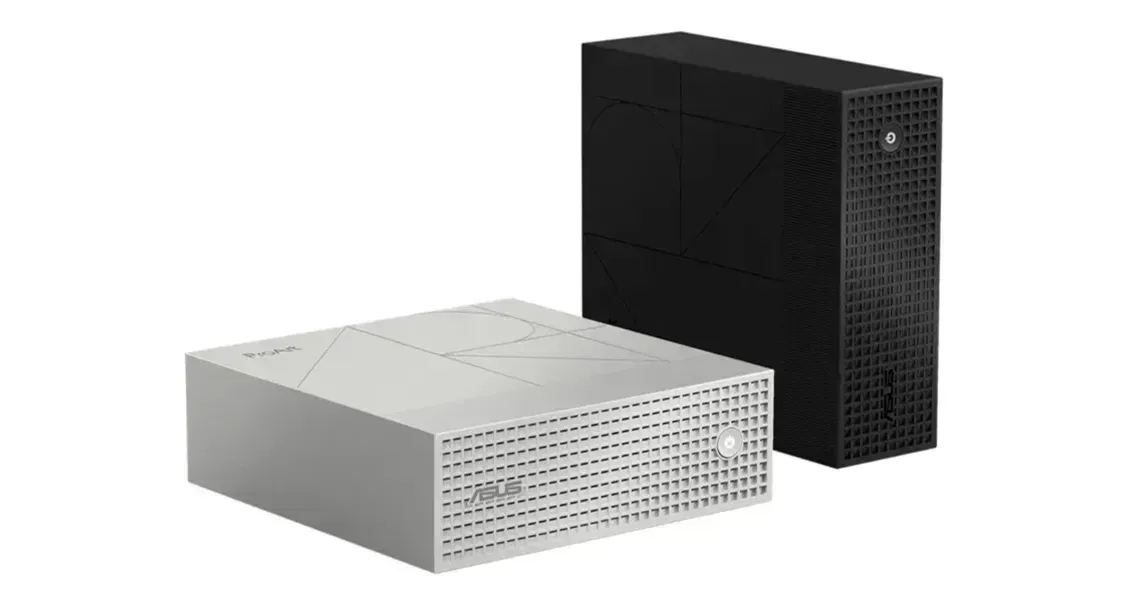

The landscape for compact computing just shifted significantly as Asus, Dell, and MSI officially launch their first wave of mini PCs powered by Nvidia’s RTX Spark N1X chip. Following the debut of RTX Spark laptops earlier this year, these powerhouse desktops aim to provide a formidable alternative to Apple’s Mac Mini and Mac Studio. While other major players like Acer, Gigabyte, and HP have more machines on the way, those looking to upgrade can get their hands on these units immediately, with Microsoft’s own Surface RTX Spark Dev Box expected to ship later this month.
Under the hood, these machines are built for extreme workloads rather than casual browsing. Each unit packs a massive 6144-core Blackwell RTX GPU paired with a 20-core Grace CPU and options for up to 128GB of memory. This level of specification allows them to deliver what Nvidia describes as up to one petaflop of AI performance, making them ideal hubs for running local AI models and always-on autonomous agents without relying entirely on the cloud.
However, this cutting edge technology carries a steep entry cost. For example, the Asus ProArt GR1X begins at 4,499 dollars for a base model featuring 64GB of memory and 1TB of storage. Because of the premium pricing, these devices are clearly targeted at professionals using RTX-accelerated software such as Adobe Premiere and Photoshop or creators utilizing the latest ray reconstruction features in Blender 5.3. Developers will also find value in native CUDA support and seamless integration with Linux tools via the Windows Subsystem for Linux.
While these mini PCs are technically capable of gaming and benefit from improving Windows on Arm support, they aren’t intended as gaming rigs given their luxury price tags. Instead, they represent a strategic move by Nvidia to embed high-end artificial intelligence capabilities directly into small office footprints. By offering an ecosystem that rivals top tier workstations in size but matches data center chips in architecture, Nvidia is betting that developers will pay a premium to keep their most intensive AI workflows local.