

Wall Street ended a bruising week on Friday, November 20, as the deepening AI stock rout pushed the S&P 500 into correction territory and wiped out the Nasdaq’s gains for the entire year, as reported by Yahoo Finance.
Caught squarely in the crosshairs was Tesla (TSLA), which took a big hit alongside Silicon Valley’s biggest names as nervous investors dumped several high-multiple growth stocks. Interestingly, the stock’s slide happened on the very same day one of Wall Street’s biggest Tesla skeptics finally blinked.
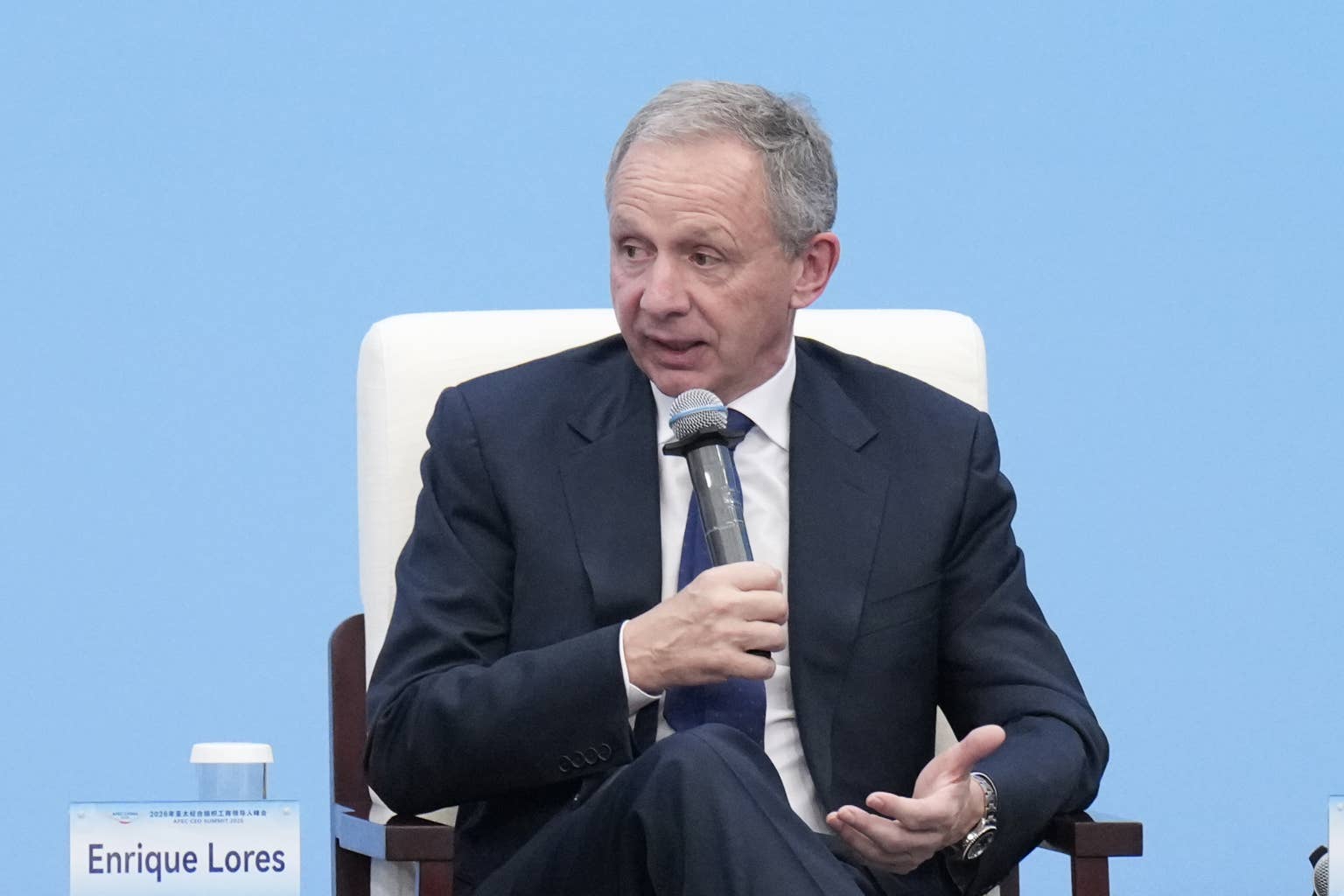
In a November 20 note, HSBC analyst Michael Tyndall upgraded the stock from Reduce to Hold and more than doubled his 12-month price target. Yet beneath that headline reversal, the math tells a far more unsettling story.
Inside HSBC’s $359 reset, and the alarming $212 standalone floor underneath
Tyndall’s note switched up how HSBC values the $1.37 trillion automaker.
More Tesla:
- Tesla stock sellers should pump their brakes, 5-star analyst says
- Bank of America resets Tesla forecast as Robotaxi miles double
- Tesla wants to sell a car with no steering wheel this year
Previously, the bank anchored its bearish stance on Tesla’s core operations, noting that third quarter sales hit $28.05 billion ($20.56 billion from autos) and free cash flow reached $1.53 billion, even as U.S. electric vehicle demand cooled after the $7,500 federal tax credit expired and China’s market share narrowed.
That said, in the note HSBC nudged its standalone discounted cash flow valuation up only slightly, from $193 to $212 per share. Against Tesla’s November 19 closing price of $374.41, that implied 43.4% downside; even after Friday’s drop to $345.82, it still represents a 38.7% haircut.
To arrive at his $359, Tyndall split his valuation 50/50, layering that $212 standalone figure with a hypothetical SpaceX takeover (SPCX) at $507 per share, which assumes a hefty 33% acquisition premium over Tesla’s trailing 30-day average price.
Ironically, Friday’s rout pushed Tesla slightly behind HSBC’s new target (+3.8% upside), even though $359 suggested downside at the time.
What Elon Musk really wants from a SpaceX–Tesla merger
Deal talk is far from being simply idle speculation.
On October 20, Elon Musk confirmed that both companies had formed special committees of independent directors to explore a combination, with Bloomberg reporting that an announcement could arrive as early as December or early 2027.
Speaking at the New York Times DealBook Summit on Nov. 18, Musk talked about the growing overlap in AI, robotics, and chip design,
“You don’t need them to be together, but would they be better together? I mean, probably, yes.” Addressing pay concerns, he added: “I should not receive those stock option awards simply for merging with SpaceX because that is not meeting the deal, which was that I should only get those stock options for Tesla performance, not just because of a merger.”
That said, HSBC isn’t blindly buying into the synergy pitch.
Tyndall notes that the strategic benefits appear limited as the two companies serve entirely different customers and already share chip work through their Terafab joint venture.
Instead, he pointed straight to governance: “We see control as the key motivation for a merger, especially as CEO Musk has been clear in the past about his need for oversight.” as reported by Investing.
The math is what’s most revealing.
Musk holds nearly 39% of SpaceX, wielding 70% of voting power via 10-vote Class B stock, compared to roughly 20% of Tesla (19.8% according to proxy filings), and HSBC estimates he would hold roughly 60% voting power in a combined giant.
Tesla’s $45.45 billion cash-and-investments cushion and over $20 billion annual capex could ease SpaceX’s cash burn after it spent $48.07 billion on nine months of capex and issued $32 billion in bonds yielding over 8% for Nvidia chips, as reported by Yahoo Finance.
Why Wall Street is divided over a Tesla-SpaceX merger
HSBC’s $359 Tesla price target is significantly below Wall Street’s consensus estimate of $417.31, but analysts are clearly divided over whether a SpaceX merger would actually benefit Tesla shareholders.
Some see enormous upside.
Popular Tesla bull Dan Ives puts the chances of a deal by late 2027 at 80% to 90% and argues that Tesla could trade above $500, as covered by Yahoo Finance. Meanwhile, RBC analyst Tom Narayan outlined a potential all-stock deal valuing Tesla at $480 per share, paving the way for a $3.74 trillion company.
Under that scenario, Tesla shareholders could potentially own 48% of the combined business, while SpaceX shareholders would own 52%.
Others remain a lot less convinced.
On November 20, Future Fund’s Gary Black warned Tesla shares could initially jump on a merger announcement, only to fall as investors rush to sell. He argues that a proposed 24% deal premium might quickly disappear, potentially dragging Tesla stock toward $280 within a month.
There’s another major hurdle.
Tesla would reportedly need approval from holders of at least 50% of its outstanding shares. That means shareholders who decide not to vote could effectively count against the deal.
For everyday investors, HSBC’s warning comes down to one uncomfortable number: $212. That’s the bank’s estimate of Tesla’s value on its own, without a SpaceX deal.
If the merger never happens, investors might be left holding a stock priced far above HSBC’s estimate of its standalone value.
Related: Jim Cramer sends strong signal to SpaceX, Anthropic stock investors