








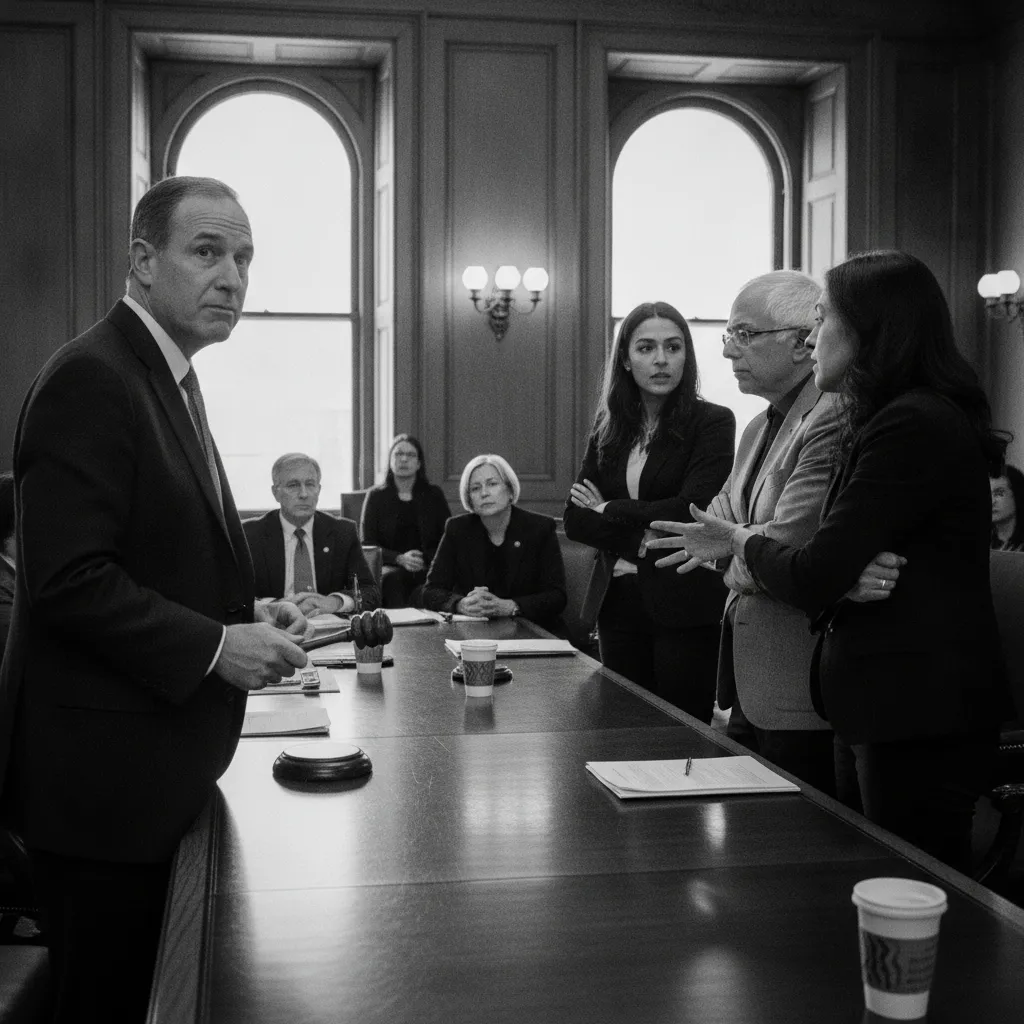

Chuck Schumer appears steady in his expectation that he will continue to guide Senate Democrats following their dramatic capture of the chamber’s majority. However, beneath the surface of the victory celebrations, a growing pocket of dissent is forming within his own ranks. During a recent post-election gathering in Washington, several senators signaled that they are not ready to simply hand over the gavel, suggesting that the path to becoming majority leader might be more contentious than Schumer anticipates.
Senator Chris Van Hollen of Maryland and Senator Elissa Slotkin of Michigan were among the most vocal critics, both declining to offer their immediate backing. Van Hollen warned against a coronation, arguing that no leader should receive a blank check without first presenting a clear vision for how the party intends to exercise its new power. Slotkin went further, demanding a detailed plan for the first hundred days and refusing to rule out a bid for the leadership position herself, framing it as an open field for a new generation of leadership.
Even those who intend to support Schumer are signaling a desire for change. Senator Mark Kelly of Arizona expressed his intention to vote for Schumer but emphasized that the caucus must find ways to operate differently than they have in the past. This restlessness seems particularly acute among members eyeing potential 2028 presidential runs and newly elected freshmen who feel the party needs greater geographic diversity in its upper echelons. Some newcomers have already vowed to withhold their support until their concerns are addressed.
Despite these frictions, Schumer remains the overwhelming favorite given his central role in securing the majority and the fact that he currently lacks a formal challenger. In recent interviews, he has dismissed any notion of significant opposition, maintaining that the caucus is unified and focused on moving forward. Yet as Slotkin reminded her colleagues by recalling her previous defiance of established leadership, there is a strong appetite among some winners in tough districts to break with tradition immediately upon entering the chamber.